

Lima, Peru — Peru’s general election, held Sunday, April 12, has been thrown into uncertainty following a series of logistical failures, contested tally sheets, and newly reported irregularities that have raised doubts about the integrity of the process—even as authorities insist there is no evidence of fraud.
With partial results still being processed several days later, no clear contender has emerged to face Keiko Fujimori in the runoff, despite her leading the vote with around 17%. The tight race for second place—separated by a razor-thin margin—between right-wing candidate Rafael López Aliaga and leftist Roberto Sánchez could ultimately be decided by thousands of challenged votes.
Delays, missing materials, and ballots found in the trash
Election day was marked by widespread delays in the delivery of voting materials, especially in Lima, forcing authorities to extend voting into Monday in several districts.
Officials are now facing scrutiny over more troubling incidents. In one of the most widely reported cases, sealed boxes containing 1,200 ballots—distributed across four tamper-evident containers—were found discarded in the trash in the Lima district of Surco.
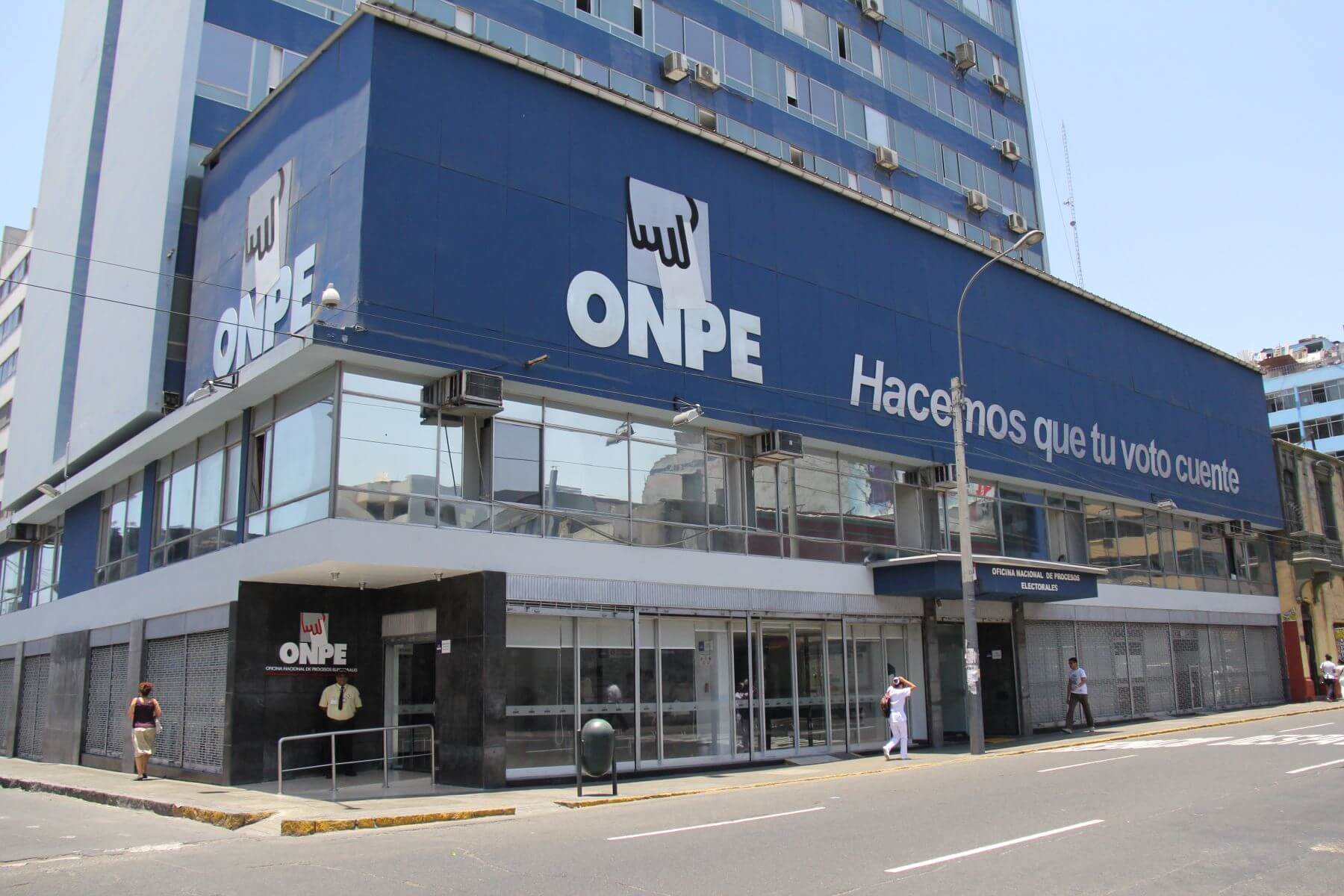
The National Office of Electoral Processes (ONPE) attributed the incident to negligence during the transport of ballot boxes and tally sheets to its central headquarters. It maintained, however, that the chain of custody was not compromised, noting that a coordinator, a police officer, and an electoral observer from the National Jury of Elections were present in the vehicle.
However, Roberto Burneo, president of the National Jury of Elections (JNE), told a congressional oversight committee on Friday that the ONPE’s statement was “false.”
“It is important to clarify that, regarding those boxes, contrary to what ONPE indicated, there was no observer accompanying them nor a police officer. They were transported in unregistered private vehicles, and the JNE was not present,” he said.
Burneo added that evidence has already been submitted to prosecutors.
“Serious irregularities,” but no fraud, observers say
Despite the growing list of incidents, international observers from the Organization of American States and electoral experts have drawn a distinction between administrative failures and deliberate manipulation.
“There have been serious irregularities that must be investigated and sanctioned, but this is not a fraudulent situation,” former Justice Minister Aldo Vásquez told CNN. “At least up to now, there is no evidence supporting that claim.”
Observers from international organizations echoed that assessment, noting that while “egregious irregularities” were documented, they do not amount to systemic fraud.
Still, the scale and variety of problems—from late poll openings to missing materials—have eroded public confidence.
Thousands of disputed votes could decide the runoff
At the center of the uncertainty are more than 5,000 tally sheets marked as “disputed”—representing just over one million votes—due to inconsistencies such as missing signatures, illegible figures, or arithmetic errors.
These votes are now under review by electoral authorities and, in such a close race, could determine who advances to the runoff.
“Of course they can change the outcome,” said electoral lawyer Silvia Guevara. “The difference between candidates is so small that these votes could tip the balance.”
“This is a situation that won’t be resolved tomorrow or in two or three days. Citizens will need to be patient,” she added to Canal N.
Institutional crisis and ongoing investigations
The fallout has triggered multiple investigations. The Public Ministry and the Comptroller General have launched inquiries, while the National Board of Justice—the body responsible for overseeing judicial appointments—has opened a preliminary investigation against Piero Corvetto Salinas, head of the ONPE.
According to Vásquez, the process could lead to disciplinary sanctions or even suspension, noting that “it is highly likely that a formal proceeding will be opened.”
Meanwhile, electoral authorities have confirmed that at least 85 requests to annul the election have been filed, further complicating the timeline.
With the runoff scheduled for June, the coming days will be decisive not only in determining who advances, but also in whether Peru’s electoral institutions can restore public trust after one of the most controversial elections in recent years.